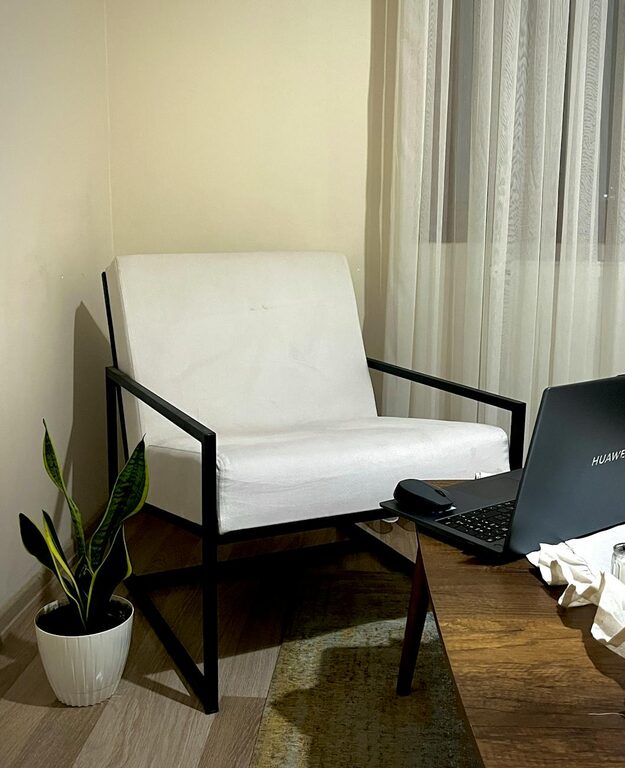
Creating a cozy and functional home office space is essential for maintaining productivity and comfort, especially if you spend long hours working from home. A well-designed office can boost your focus, reduce stress, and even improve your mood. Whether you have a dedicated room or a small corner, these tips will help you transform your space into an inviting and efficient work environment.
Choose the Right Location
Finding the perfect spot for your home office is the first step. Ideally, select a quiet area with minimal distractions. A room with natural light is a big bonus—it helps reduce eye strain and makes the space feel warm and inviting. If you don’t have a separate room, a quiet corner or nook away from busy areas can also work. Consider how often you need to isolate yourself and what environment helps you concentrate best.
Invest in Comfortable Seating
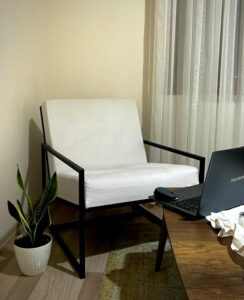
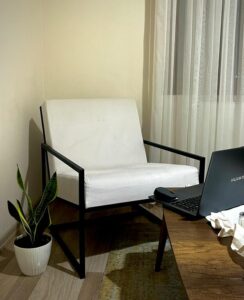
Sitting comfortably during work hours is crucial to avoid back and neck pain. Invest in a chair with good lumbar support and adjustable height. Your chair should encourage good posture and allow your feet to rest flat on the floor. If you prefer, add a footrest or use cushions for extra comfort. A cozy office starts with comfort, so don’t skimp on this essential piece of furniture.
Optimize Your Desk Setup
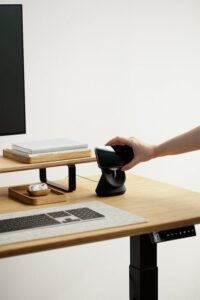
Your desk should suit your work style and provide enough space for your equipment and supplies. A desk with storage drawers or shelves helps keep clutter under control. Position your computer monitor at eye level to reduce strain—using a monitor stand or adjustable arm can be a great help. Keep frequently used items within easy reach to minimise unnecessary movement.
Use Effective Lighting
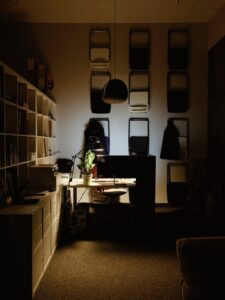
Proper lighting can reduce eye fatigue and create a pleasant work atmosphere. Combine natural light with task lighting. A desk lamp with adjustable brightness and color temperature can help you tailor the lighting to your needs throughout the day. Avoid harsh overhead lights or direct glare from the monitor. If your workspace lacks windows, investing in daylight bulbs can mimic natural light and boost alertness.
Choose a Calming Colour Palette
The colours in your office can influence your mood and productivity. Soft, neutral tones, such as creams, light greys, and pastels, create a calming atmosphere, while pops of colour can inspire creativity. Avoid overly bright or distracting colours that might cause discomfort over time. The idea is to design a space that invites you to work calmly and stay focused.
Organize with Storage Solutions
Clutter can quickly disrupt your workflow and make the space feel chaotic. Invest in storage solutions like shelves, filing cabinets, or baskets to keep documents and office supplies tidy. Use drawer dividers to separate items and label storage boxes for quick identification. Keeping your workspace organized not only improves efficiency but also makes your home office more welcoming.
Add Personal Touches and Greenery
Personalising your home office with a few decorative pieces makes the space more enjoyable. Consider framed photos, artwork, or motivational quotes that inspire you. Adding plants is another great way to enhance the ambiance. Indoor plants improve air quality and introduce a natural element that can boost your mood and creativity.
Minimise Noise and Distractions
If ambient noise is an issue, explore options to reduce it, such as noise-cancelling headphones or soundproofing techniques like heavy curtains or rugs. Keeping your phone on silent or using focus apps can help you stay distraction-free. Creating boundaries with family or housemates about your work hours also helps maintain a peaceful environment.
Maintain Good Air Quality and Temperature
A fresh, well-ventilated room helps keep you alert and comfortable. Open windows regularly to let in fresh air when possible. Keep the temperature moderate, ideally between 20-22°C (68-72°F), to avoid overheating or chill. A small fan or heater might be necessary depending on the season.
Incorporate Ergonomic Accessories
Ergonomic accessories can make a big difference when it comes to comfort and preventing strain. Consider a keyboard and mouse designed to reduce wrist stress, or a laptop stand to position your screen correctly. A wrist rest or ergonomic mouse pad is another helpful addition to create a more supportive workspace.
—
By blending comfort with functionality, your home office can become a place where you genuinely enjoy spending time. Remember, every person’s ideal workspace looks different, so take time to experiment and adjust your setup until it feels just right. Creating a cozy and functional home office is an investment in your well-being and productivity. Happy decorating!